


What Are the Washington, D.C., Laws on Car Window Tinting?
Car window tinting is a popular modification that many vehicle owners choose for aesthetic appeal, privacy, and protection from the sun’s glare. Tinted windows can reduce heat inside the car, block harmful UV rays, and enhance the overall look of a vehicle. However, regulations are in place to ensure that window tinting does not compromise safety. These laws are designed to maintain visibility for drivers, aid law enforcement in identifying individuals inside vehicles, and reduce potential hazards during nighttime driving. Understanding and adhering to these regulations is crucial for both safety and compliance with the law.
If you’ve been injured in a car accident involving a vehicle with illegally tinted windows, the team at Chaikin Sherman Cammarata & Siegel is here to help. Our experienced car accident attorneys specialize in recovering compensation for clients who have suffered due to negligence, including violations of window tint laws. Don’t wait—schedule a free consultation with us today to discuss your case and learn how we can fight for the justice and compensation you deserve.
What Is the Darkest Legal Tint For Washington, DC?
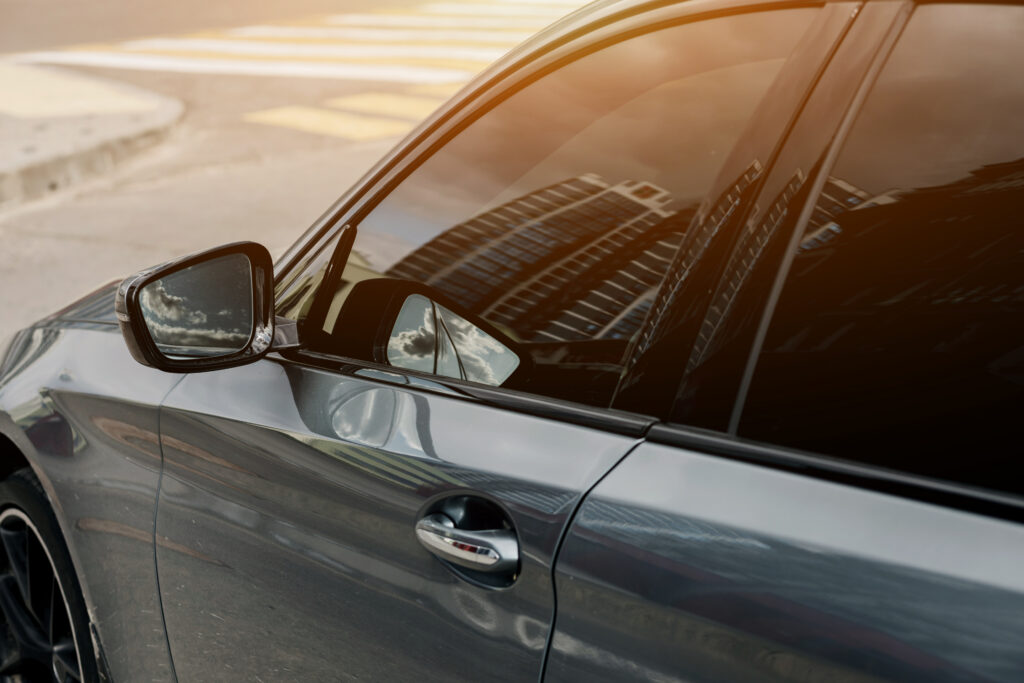
Window tint darkness is measured using a metric called Visible Light Transmission (VLT). VLT refers to the percentage of visible light that passes through the window and the tint film. For example, a window tint with a 50% VLT allows 50% of visible light to pass through, while a tint with a 20% VLT only allows 20% of light to pass. The lower the VLT percentage, the darker the tint. Understanding VLT is crucial, as each state or jurisdiction, including Washington, DC, has specific legal limits on how dark window tints can be.
Below is a breakdown of the darkest window tint allowed for different types of vehicles in Washington, D.C.:
- Sedans
- Front Side Windows: Must allow at least 70% of light to pass through.
- Rear Side Windows: Must allow at least 50% of light to pass through.
- Rear Window: Must allow at least 50% of light to pass through.
- If the rear window is tinted, the vehicle must be equipped with dual side mirrors. This ensures that drivers maintain a clear and safe range of vision.
- Windshield: Non-reflective tint is allowed on the top 5 inches or above the AS-1 line.
- SUVs and Vans
- Front Side Windows: Must allow at least 70% of light to pass through.
- Back Side Windows and Rear Window: Can have any darkness level.
- Windshield: Non-reflective tint is allowed on the top 5 inches or above the AS-1 line.
It is essential to follow these regulations to avoid penalties and ensure the safety of all road users. If you have questions about your vehicle’s tint or believe a violation of tint laws has caused an accident, reach out to our team for expert guidance.
How Does Washington, DC Restrict Window Tint Reflection?
Reflective window tint is subject to specific regulations in Washington, D.C. While some reflectivity is permitted to reduce glare and heat, excessive reflectivity is not allowed as it can impede visibility and pose safety risks. Here’s a breakdown of the regulations on reflective tint:
- Front Side Windows: Reflective tinting is allowed, but the reflectivity must not exceed 25%.
- Back Side Windows: Similar to the front, reflective tinting is permitted with a maximum reflectivity of 25%.
- Windshield: Reflective tint is not allowed except for the non-reflective strip along the top 5 inches or above the AS-1 line.
Drivers should ensure their tint complies with these guidelines to avoid fines and safety concerns. If you’re uncertain about your tint’s reflectivity level or need assistance ensuring compliance, our team is here to help.
Are There Any Window Tint Color Restrictions in Washington, DC?
Washington, D.C., has specific regulations regarding window tint colors to ensure safety and compliance with local laws. The use of certain colors, such as red, yellow, and amber, is prohibited for window tints in the District. This restriction is in place to prevent visibility issues for both drivers and law enforcement officers.
It is essential to choose a tint color that adheres to these rules while still providing the desired levels of privacy and UV protection. Always verify that your tint is not only within the acceptable limits for light transmittance but also complies with the approved color guidelines to avoid penalties or the need for removal.
Are There Any Exemptions to Washington, DC Window Tint Laws?
Yes, there are certain exemptions to Washington, D.C., window tint laws. These exemptions are primarily designed to accommodate specific medical needs and vehicle types. Below are the key exemptions:
- Medical Exemptions: Drivers with documented medical conditions that require limited exposure to sunlight, such as lupus or photosensitivity, may apply for a medical exemption. This typically requires a physician’s certification and approval from the Department of Motor Vehicles (DMV).
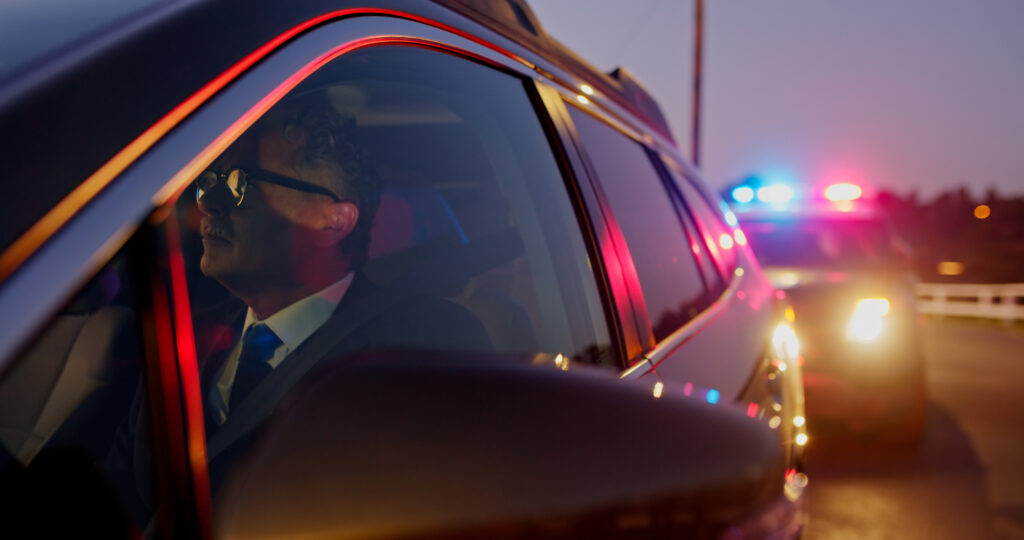
- Government and Emergency Vehicles: Police vehicles, fire trucks, and other emergency or government-operated vehicles are often exempt from standard window tinting rules to accommodate operational requirements.
- Commercial and Specialty Vehicles: Certain commercial or specialty vehicles, such as limousines, may also qualify for exemptions, depending on their intended use and regulatory permissions.
Understanding these exemptions can help ensure compliance while meeting specific needs under the law.
What Is the Penalty For Window Tint Violations in Washington, DC?
In Washington, DC, vehicles with tinted windows are required to display a certification sticker issued by the installer. This sticker serves as proof that the window tint meets the legal standards set by the district. Typically placed between the film and the window glass, the sticker is an essential component of compliance, providing law enforcement an easy way to verify that the tint adheres to local regulations.
Failure to comply with window tinting regulations in Washington, DC, can result in significant penalties. Motorists with illegally installed tints may face fines, which can vary based on the severity of the violation. Additionally, vehicle inspections may fail if the tint does not meet the required standards, leading to further inconvenience and potential costs for removal or adjustment. Repeat offenders could encounter escalating fines, emphasizing the importance of adhering to the law to avoid unnecessary legal and financial repercussions.
Can Illegal Window Tint Affect Liability In a Car Accident Case?
When it comes to car accident cases, illegal window tint can potentially affect liability. If the tint is found to have contributed to the accident, such as by impairing the driver’s visibility or obstructing the view of other motorists, it can be used as evidence of negligence.
Courts and insurance companies may view the illegal tint as a violation of traffic laws, thereby influencing the liability assessment. For instance, if a driver with illegal tint fails to see a pedestrian or another vehicle due to reduced visibility, this could strengthen a claim that the tint played a role in causing the accident.
Additionally, illegal tint may also hinder the ability to assess the situation at the scene, such as observing the number of passengers in the vehicle or gauging driver behavior, which could further complicate liability determinations. Therefore, complying with tint regulations is not only important for legal reasons but also to ensure safety and avoid challenges in potential accident-related disputes.
How Will Chaikin Sherman Cammarata & Siegel Help Me?
Chaikin Sherman Cammarata & Siegel have extensive knowledge and experience in handling complex car accident cases, including those involving vehicles with illegally tinted windows. Our dedicated team understands the unique challenges these cases can present and has a proven track record of helping victims recover the fair compensation they deserve for their injuries and losses. We meticulously investigate each case, utilizing our expertise to uncover critical details such as how illegal tint may have impacted visibility or liability.
With a client-focused approach, our attorneys are committed to guiding you through every step of the legal process, ensuring your rights are protected and that you achieve the best possible outcome. If you or a loved one has been affected by a car accident involving illegally tinted windows, don’t wait—schedule a free consultation with Chaikin Sherman Cammarata & Siegel today. Let us fight for the justice and compensation you deserve.