






How Does Speeding Affect Liability In Car Accident Lawsuits in Washington, D.C.?
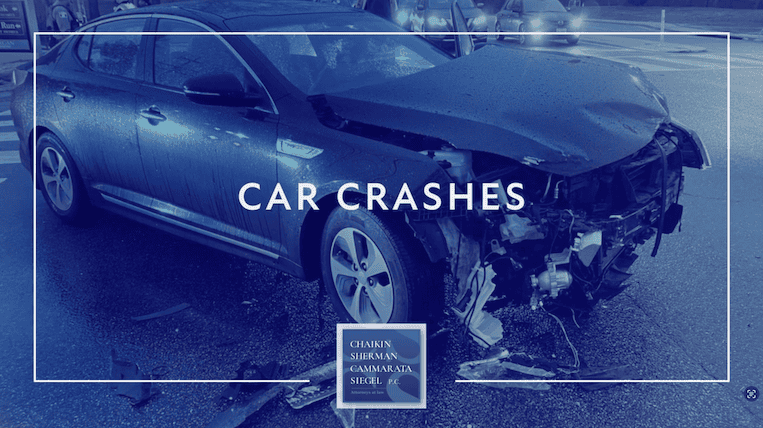
Speeding remains one of the most common causes of car accidents in Washington, D.C., claiming countless lives and leaving many others injured each year. The aftermath of a speeding-related accident can be overwhelming, leaving victims to cope with physical pain, emotional distress, and significant financial burdens in the form of medical bills, lost income, and repair costs.
At Chaikin, Sherman, Cammarata & Siegel, P.C., we understand the challenges car accident victims face. Our dedicated legal team is committed to helping clients recover the compensation they deserve for their injuries and losses. With extensive experience handling car accident claims, we work tirelessly to build strong claims, negotiate with insurance companies, and, if necessary, take cases to court to secure justice for our clients.
If you or a loved one have suffered injuries in a car accident that involved speeding, you don’t have to fight this battle alone. Contact us today to schedule a free consultation and learn how we can assist you in navigating the complexities of your case and fighting for your rights.
How Does Speeding Contribute to Washington, D.C., Car Accidents?
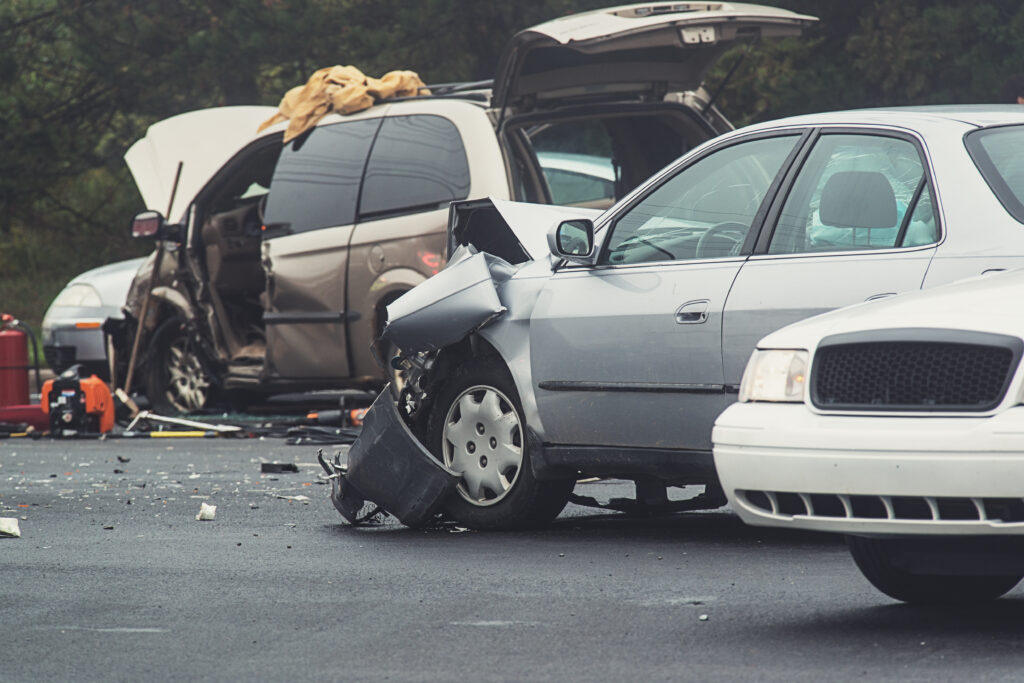
Speeding is one of the most dangerous driving behaviors and a significant contributor to car accidents across Washington, D.C. Understanding the role speeding plays in causing accidents and increasing the severity of injuries allows us to address this critical issue with greater awareness and caution. Below are important statistics and explanations related to speeding and its impact on car accidents and injuries.
Statistics on Washington, D.C., Car Accidents Involving Speeding
- According to recent data, speeding was a contributing factor in over 25% of traffic fatalities in Washington, D.C., in the past year.
- Nearly 1 in 5 reported accidents in the city involve a speeding driver.
- Speeding-related crashes are more likely to occur on major roadways and during evening hours.
How Speeding Causes or Contributes to Car Accidents
- Reduced reaction time: Driving above the speed limit diminishes the amount of time drivers have to recognize and react to hazards.
- Loss of vehicle control: At higher speeds, vehicles are harder to control, increasing the likelihood of crashes.
- Increased stopping distance: Speeding significantly extends the time and distance required to bring a vehicle to a complete stop.
How Speeding Increases the Severity of Injuries
- Greater impact forces: Higher speeds result in more forceful collisions, which are more likely to cause severe damage to vehicles and the people inside them.
- Reduced effectiveness of safety features: Safety systems like airbags and seatbelts are less effective at extreme speeds, leading to worse outcomes during accidents.
- Increased risk of fatalities: Speeding drastically raises the likelihood of life-threatening injuries or death.
Common Car Accident Injuries Caused or Made Worse by Speeding
- Traumatic brain injuries (TBIs): High-speed collisions can cause serious head injuries, often with long-term effects.
- Spinal injuries and paralysis: The severity of crashes involving speeding can lead to permanent spinal cord damage.
- Broken bones and orthopedic injuries: High-impact crashes frequently result in fractures or severe musculoskeletal injuries.
- Internal injuries: Damage to internal organs is common in crashes where speeding is involved, and these injuries can be life-threatening if untreated.
Speeding is a preventable hazard that endangers lives, contributes to severe injuries, and causes significant harm to the community. By adhering to posted speed limits, drivers can play an essential role in reducing accidents and ensuring safer roads. Prioritizing safety over speed is not just a legal obligation but a moral responsibility that protects everyone on and off the roads.
How Is Speed Determined After a Car Accident In Washington, D.C.?
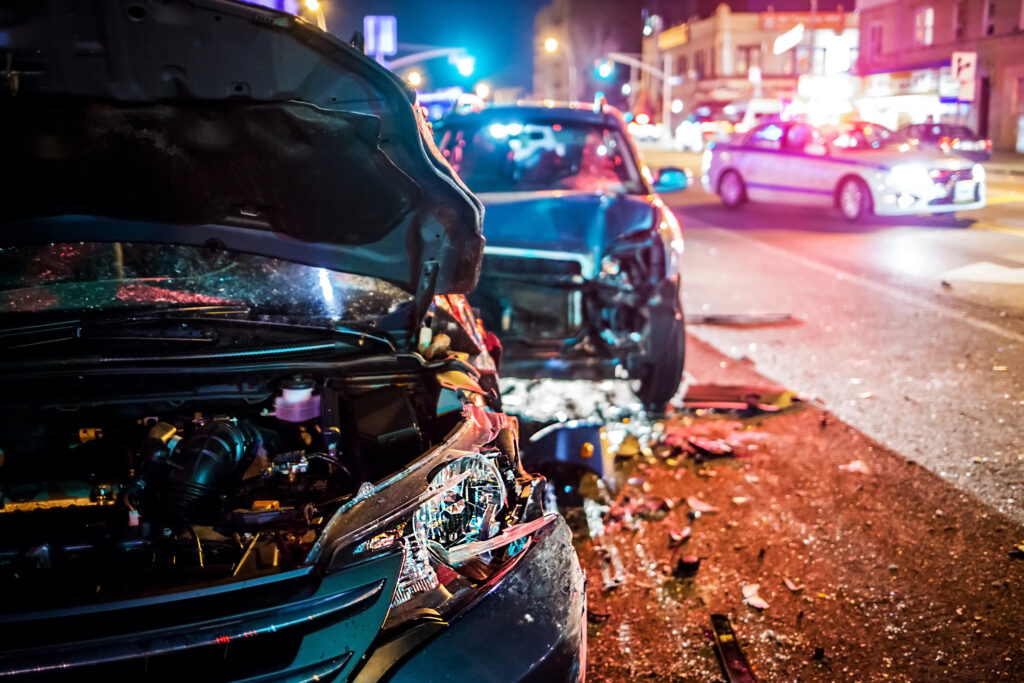
Determining speed after a car accident in Washington, D.C., involves analyzing various forms of evidence to piece together the events leading up to the collision. Law enforcement officers, insurance investigators, and legal experts use the following types of evidence to estimate the speed of the vehicles involved:
- Skid Marks: The length and appearance of skid marks left on the road can indicate whether brakes were applied and at what speed the vehicle was traveling before attempting to stop.
- Vehicle Damage: The extent and type of damage to the vehicles involved can provide valuable clues about the speed at impact. High-speed collisions typically result in more severe damage.
- Traffic Cameras and Surveillance Footage: Video recordings from traffic cameras, nearby businesses, or dashcams can offer direct evidence of a vehicle’s speed prior to the accident.
- Witness Testimonies: Accounts from bystanders or other drivers who witnessed the accident can help establish an approximate speed of the vehicles involved.
- Black Box Data (Event Data Recorder): Many modern vehicles are equipped with event data recorders, which can capture crucial metrics like speed, braking, and acceleration at the time of a crash.
- Road Conditions and Weather Reports: The condition of the road surface and weather at the time of the accident can influence vehicle speed and stopping distance, aiding in reconstruction efforts.
- Accident Reconstruction Experts: Specialists analyze all available evidence, including physics principles and mathematical models, to recreate the events leading to the crash and estimate vehicle speeds.
By utilizing these forms of evidence, investigators aim to build a comprehensive understanding of the factors contributing to the accident, ensuring accountability and aiding in legal or insurance proceedings.
Does Speeding Automatically Make You At Fault For a Car Accident in Washington, D.C.?
Speed is a significant factor in many motor vehicle accidents, but it does not automatically make the speeding driver at fault for an accident in Washington, D.C. Determining fault in a car accident depends on numerous factors, such as the actions of all parties involved and the circumstances surrounding the incident. For example, if another driver ran a red light or failed to yield the right of way, their actions could also contribute to the accident, even if you were speeding.
Contributory Negligence
Contributory negligence is a legal doctrine followed in Washington, D.C., which can significantly impact car accident cases. Under contributory negligence, if an injured party is found to have contributed even slightly to the cause of the accident, they may be barred from recovering any damages in a personal injury claim. This strict rule places a heavy burden on plaintiffs to prove that they were entirely free of fault in the incident.
In a car accident case involving speeding, contributory negligence may come into play if it is determined that the injured party’s speeding contributed to the collision, even if another driver was primarily at fault. For example, if a speeding driver is struck by another vehicle that failed to yield, their speeding might be considered a contributing factor to the accident. However, the non-yielding driver would have to prove that the speed was ACTUALLY a contributing factor to the collision. The mere fact that you might have been speeding does not make you automatically at fault.
Vulnerable Users
The Vulnerable Users Recovery Act of 2020 was designed to provide additional protections for individuals such as pedestrians, cyclists, and other non-motorized road users who are at a higher risk of injury in traffic accidents. This legislation places a stronger emphasis on holding motor vehicle drivers accountable when collisions involve these vulnerable users.
Under this act, if a speeding driver injures a vulnerable user, whose negligence also might have contributed to the incident, the driver will still be responsible, so long as the vulnerable user is 50% or less negligent for the incident. This law ensures that vulnerable users can seek compensation for their injuries more effectively by prioritizing their safety and recognizing the unequal risk they face on the road. For drivers, this act reinforces the necessity of adhering to speed limits and practicing heightened caution, particularly in areas where vulnerable road users are present, as their actions will be scrutinized more closely under this legislation.
Can a Personal Injury Lawyer Help Me After a Car Accident That Involved Speeding?
Hiring a personal injury lawyer after a car accident involving speeding can be a critical step in protecting your rights and ensuring fair compensation. Here are several ways a motor vehicle accident attorney can assist with your case:
- Thorough Investigation: A car accident lawyer can conduct a comprehensive investigation of the accident, gathering evidence such as traffic camera footage, witness statements, police reports, and accident reconstruction to determine liability.
- Navigating Complex Laws: Personal injury laws, including those related to speeding and comparative negligence, can be intricate and vary by state. An attorney will help you understand how the law applies to your case and work to protect your rights.
- Negotiating with Insurance Companies: Insurance companies may try to minimize payouts or deny claims, especially if speeding played a role in the accident. A lawyer will handle communication with insurers and negotiate for fair compensation on your behalf.
- Proving Fault and Damages: An attorney will work to establish the extent of the other party’s negligence and prove the damages you have suffered, including medical bills, lost wages, and pain and suffering.
- Maximizing Compensation: By building a strong case and effectively countering potential arguments about shared fault, a lawyer can help ensure you receive the maximum amount of compensation you deserve.
- Providing Legal Representation: If your case goes to court, an experienced personal injury attorney will represent you during litigation, presenting evidence and advocating for your best interests.
Hiring a skilled personal injury lawyer ensures you have an experienced advocate guiding you through the complex legal process, allowing you to focus on your recovery while pursuing the justice and compensation you are entitled to.
Chaikin, Sherman, Cammarata, & Siegel, P.C. | Car Accident Lawyers for Washington, D.C.
If you’ve been injured in a speeding car accident in Washington, D.C., you need experienced and dedicated legal representation to help you secure the compensation you deserve. At Chaikin, Sherman, Cammarata, & Siegel, P.C., our team of seasoned car accident attorneys has a proven track record of success in handling complex speeding accident cases. We understand how devastating these incidents can be and are committed to fighting for your rights. Our firm leverages decades of legal expertise, detailed case preparation, and personalized attention to achieve the best possible outcomes for our clients.
Don’t face the aftermath of a speeding car accident alone. Trust the award-winning attorneys at Chaikin, Sherman, Cammarata, & Siegel, P.C. to provide the guidance and advocacy you need. Contact us today to schedule your free consultation and take the first step toward justice and recovery.