








How Is an Electric Bicycle Different From a Regular Bike?
Electric bicycles have surged in popularity across the United States in recent years, with sales reaching record highs. In the Washington, D.C. metropolitan area, e-bike usage has grown dramatically as commuters seek alternatives to traditional transportation. However, this rise in popularity has brought concerning safety trends. Emergency departments nationwide have seen a sharp increase in e-bike-related injuries, with some studies showing injury rates three times higher than traditional bicycles.
The aftermath of an e-bike accident can be overwhelming. Victims often face mounting medical bills, damaged or destroyed property, lost wages from missed work, and the need for ongoing mental health services to address trauma. Dealing with insurance companies while recovering from injuries adds another layer of stress to an already difficult situation. Many accident victims struggle to get fair compensation for their losses without professional legal help.
Chaikin Sherman Cammarata & Siegel, P.C. understands the unique challenges e-bike accident victims face. Our experienced personal injury attorneys have helped countless clients in Washington, D.C. recover compensation for medical expenses, property damage, lost income, and pain and suffering. We handle the legal complexities while you focus on recovery. Contact us today to schedule a free consultation and learn how we can help you get the compensation you deserve.
What Are E-Bikes?
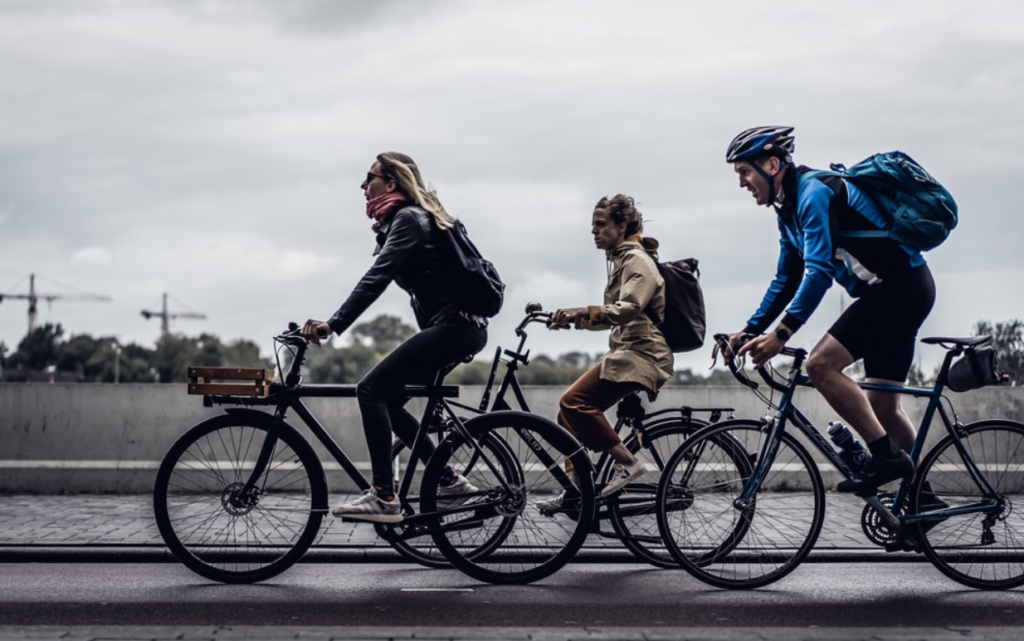
An e-bike is a bicycle equipped with an electric motor and battery that provides electric assistance to the rider. Unlike motorcycles or scooters, most electric bikes still require pedaling—the electric motor kicks in to boost your pedaling power rather than replacing it entirely. This pedal assist feature is what distinguishes electric bicycles from other motorized vehicles.
The riding experience on an electric bike differs significantly from a regular bike. When you pedal, the motor provides additional power, making it easier to climb steep hills, ride longer distances, and maintain higher speeds with less physical effort. How much effort you need to exert depends on the assistance level you select and the class of e-bike you’re riding.
E-bikes are categorized into three main classes:
- Class 1: Pedal assist only, with the motor providing assistance up to 20 mph. The motor only works when you’re pedaling. No throttle control.
- Class 2: Throttle-assisted, allowing riders to use the electric motor without pedaling. Maximum speed of 20 mph. These bikes can operate like a traditional bicycle or with motor-only propulsion.
- Class 3: Pedal assist with higher speed limits, providing assistance up to 28 mph. Some models include a speedometer. These are the fastest electric bikes allowed on most public roads and bike paths.
The significant difference between these classes affects where you can legally ride, what safety equipment you need, and your risk level in an accident.
Are E-Bikes More Dangerous Than Traditional Bikes?
Yes, e-bikes are statistically more dangerous than traditional bicycles. Research and accident data show that electric bike riders face higher injury rates, more severe injuries, and increased fatality risks compared to those on normal bikes.
Accident Rates and Injury Severity:
The data paints a concerning picture. E-bike accidents result in injuries requiring medical attention at significantly higher rates than traditional bicycle accidents. The increased speeds possible on electric bikes—particularly Class 3 models that can reach 28 mph—mean that when accidents occur, they tend to be more severe.
Key Danger Factors:
- Speed Differential: Electric bikes allow riders to ride faster with less physical conditioning. A person who couldn’t maintain 25 mph on a road bike can easily hit those speeds on an e-bike with pedal assist. Higher speeds mean less reaction time and more severe impacts.
- Weight Factor: Most electric bikes weigh significantly more than traditional bicycles due to the motor and battery—often 50-70 pounds compared to 20-30 pounds for regular bicycles. This extra weight makes the bike harder to control, increases stopping distances, and results in more forceful collisions.
- Rider Experience Gap: Many e-bike riders are new to cycling or returning after years away. The electric assistance can give inexperienced riders a false sense of security, leading them to attempt routes and speeds beyond their actual skill level.
- Infrastructure Mismatch: Bike lanes and paths were designed for traditional bike speeds of 10-15 mph. When electric bikes travel at 20-28 mph in these spaces, it creates dangerous speed differentials between riders and increases collision risks.
- Battery and Electrical Risks: E-bikes carry unique hazards like battery fires, electrical malfunctions, and the risk of thermal runaway in lithium-ion batteries. These incidents, while relatively rare, can cause catastrophic injuries.
What Makes E-Bike Accidents and Injuries More Severe?
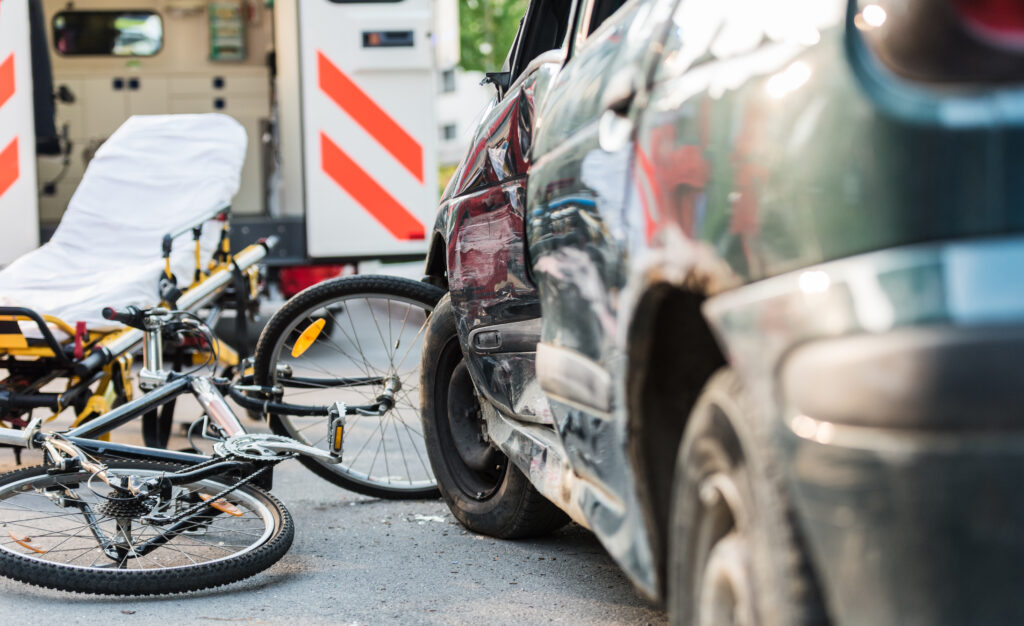
Several factors combine to make e-bike accidents both more likely to occur and more likely to result in serious injuries when they do happen:
- Higher Impact Forces: The combination of increased speed and greater weight means e-bike collisions generate much more force than a pedal bike accident. This translates directly to more severe injuries for riders and anyone they collide with.
- Head and Brain Injuries: Despite similar helmet usage rates, e-bike riders suffer traumatic brain injuries more frequently than traditional bike riders. The higher speeds mean greater impact forces in crashes, even with protective equipment.
- Upper Body Injuries: Studies show e-bike riders experience more shoulder, arm, and torso injuries. The heavier bike is harder to control during a fall, and the motor’s power can propel riders over the handlebars more violently.
- Multi-Vehicle Collisions: Electric bikes’ higher speeds put them more frequently in conflict with motor vehicle traffic. Car drivers often misjudge an e-bike’s speed, leading to intersection crashes and turning accidents.
- Mechanical Failures: The electric motor adds complexity and potential failure points. Motor malfunctions, battery issues, or electronic control problems can cause sudden loss of power or unexpected acceleration.
- False Security: The ease of riding an electric bike can lead to overconfidence. Riders attempt longer trips, more challenging terrain, or higher speeds than their experience level supports. When something goes wrong, they lack the skills to recover safely.
- Inadequate Braking Systems: Many e-bikes come with braking systems designed for traditional bicycles, which are insufficient for the higher speeds and greater weight. Longer stopping distances increase accident risk.
- Visibility Issues: Electric bikes move faster than other cyclists and pedestrians expect, catching them by surprise. This speed advantage also means less time for riders to be noticed and avoided.
What Should I Do After an E-Bike Accident In Washington, D.C.?
Taking the right steps immediately after an e-bike accident can protect your health and strengthen any future legal claim:
- Seek Medical Attention Immediately: Even if you feel fine, get checked by a doctor. Adrenaline can mask serious injuries like internal bleeding or concussions. Document all injuries, no matter how minor they seem.
- Call the Police: File an official accident report. This creates a legal record of the incident, which becomes crucial evidence if you file a claim. Make sure the report includes accurate details about what happened.
- Document Everything: Take photos of the accident scene, your injuries, your damaged e-bike, and any other property damage. Get contact information from witnesses. Record everything you remember about the accident while it’s fresh.
- Preserve Evidence: Don’t repair or dispose of your electric bike until you’ve documented the damage thoroughly. Keep the clothes you were wearing and any damaged safety equipment. This physical evidence may be important for your case.
- Exchange Information: Get the other party’s name, contact information, and insurance details if another person was involved. Don’t admit fault or apologize—this can be used against you later.
- Avoid Insurance Company Traps: Don’t give recorded statements to insurance adjusters without consulting a lawyer first. They may try to get you to say things that minimize your claim’s value.
- Keep Detailed Records: Track all medical treatments, prescriptions, therapy sessions, and related expenses. Document lost work time and how the injuries affect your daily life. This documentation supports your claim for damages.
- Contact a Personal Injury Lawyer: Consult with an experienced attorney as soon as possible. Early legal guidance helps you avoid mistakes that could hurt your claim and ensures evidence is preserved properly.
How Will a Personal Injury Lawyer Help Me?
A skilled personal injury attorney provides invaluable assistance throughout the claims process:
- Case Investigation: Your lawyer will conduct a thorough investigation, gathering evidence, interviewing witnesses, consulting with accident reconstruction experts, and documenting the full extent of your injuries and damages.
- Determining Liability: E-bike accidents can involve multiple liable parties—the other rider, a vehicle driver, the bike manufacturer if there was a defect, or the entity responsible for maintaining the road or path. Your attorney identifies all responsible parties to maximize your recovery.
- Dealing With Insurance Companies: Insurance adjusters work to minimize payouts. Your lawyer handles all communications, preventing you from being taken advantage of or saying something that hurts your claim.
- Calculating Full Damages: Attorneys understand how to value claims properly, including future medical expenses, long-term disability impacts, and pain and suffering. They ensure you seek compensation for all losses, not just immediate medical bills.
- Negotiating Settlements: Most cases settle before trial. An experienced negotiator can often secure significantly higher settlements than accident victims get on their own. Your lawyer won’t let insurance companies lowball your claim.
- Litigation When Necessary: If fair settlement negotiations fail, your attorney will file a lawsuit and represent you in court. Having a lawyer prepared to go to trial often motivates insurance companies to offer better settlements.
- Managing Deadlines: Washington, D.C. has strict time limits for filing injury claims. Your lawyer ensures all paperwork is filed correctly and on time, protecting your right to compensation.
- Providing Peace of Mind: Legal representation allows you to focus on physical and emotional recovery while your attorney handles the complex legal work and fights for your rights.
What Kinds of Damages Can I Recover In an E-Bike Accident Claim in Washington, D.C.?
Washington, D.C. law allows e-bike accident victims to seek compensation for various types of damages:
- Medical Expenses: This includes emergency room treatment, hospital stays, surgery, physical therapy, prescription medications, medical equipment, and future medical care you’ll need because of the accident. Keep all medical bills and records.
- Lost Income: If your injuries prevented you from working, you can recover compensation for lost wages. This includes salary, hourly wages, self-employment income, and lost business opportunities. Future lost earning capacity is also recoverable if your injuries cause permanent disability.
- Property Damage: You can seek compensation for damage to your electric bike, clothing, helmet, phone, and any other personal property damaged in the accident. This includes the cost of repairs or replacement value.
- Pain and Suffering: This compensates you for physical pain, discomfort, and reduced quality of life caused by your injuries. The more severe and long-lasting your injuries, the higher this compensation typically is.
- Emotional Distress: Serious accidents often cause psychological trauma, anxiety, depression, and PTSD. You can seek compensation for mental health counseling and the emotional impact of the accident and injuries.
- Loss of Enjoyment of Life: If your injuries prevent you from participating in activities you previously enjoyed—sports, hobbies, routine maintenance on your bikes, or simply riding for pleasure—you deserve compensation for these losses.
- Scarring and Disfigurement: Permanent scars or disfigurement from the accident warrant additional compensation, especially if they affect your appearance or require future cosmetic procedures.
- Punitive Damages: In cases involving particularly reckless or intentional conduct, courts may award punitive damages to punish the wrongdoer and deter similar behavior. These are relatively rare but possible in egregious cases.
The value of your claim depends on the specific facts of your accident, the severity of your injuries, and how well your case is documented and presented.
Why Should I Choose Chaikin, Sherman, Cammarata, & Siegel, P.C.?
Chaikin Sherman Cammarata & Siegel, P.C. has built a reputation as one of Washington, D.C.’s most respected personal injury firms. Our attorneys bring decades of combined experience handling complex injury cases, including the emerging area of e-bike accidents. We understand the unique aspects of electric bicycle cases—from the technical questions about how the bike functions to the comparative negligence issues that often arise when traditional bikes and e-bikes share the road.
What sets us apart is our commitment to personalized attention. You’re not just a case number here. We take time to understand how your injuries have impacted your life, and we fight aggressively to ensure you receive full compensation for all your losses. Our track record speaks for itself, with millions recovered for injured clients throughout the Washington, D.C. area.
We handle e-bike accident cases on a contingency fee basis, which means you pay nothing unless we win your case. This allows you to get experienced legal representation without worrying about upfront costs while you’re dealing with medical bills and lost income. We’ll handle every aspect of your case, from investigating the accident to negotiating with insurance companies to litigating in court if necessary.
Don’t navigate this challenging time alone. Contact Chaikin Sherman Cammarata & Siegel, P.C. today to schedule your free consultation. Let us put our experience and resources to work for you, so you can focus on what matters most—your recovery.