
What Are the Virginia Motorcycle Laws?
Motorcycles are a popular mode of transportation and recreation in Virginia, with thousands of bikes registered across the state. According to recent figures, more than 200,000 motorcycles are registered in Virginia, and the scenic roads and highways attract countless riders annually who pass through the state for leisure and rallies. Motorcycles are favored for their affordability, fuel efficiency, and the unparalleled sense of freedom they provide.
However, with this popularity comes the critical need for both motorcyclists and car drivers to adhere to traffic laws and safety regulations. Safe riding practices, including wearing helmets and respecting speed limits, are vital in helping to prevent serious accidents. Awareness and shared responsibility on the road are essential to ensuring the safety of everyone.
At Chaikin, Sherman, Cammarata & Siegel, we are passionate about protecting the rights of motorcyclists in Virginia. If you or a loved one has been injured in a motorcycle accident, our dedicated team of attorneys is here to fight for you. We understand the unique challenges motorcyclists face and are committed to helping you secure the compensation you deserve. Schedule a free consultation today and take the first step toward justice and recovery. Contact us to learn more about how we can help you.

Do I Need a Motorcycle License in Virginia?
Yes, in Virginia, a valid motorcycle license is required for anyone operating a motorcycle on public roads. The process and requirements to obtain a motorcycle license or endorsement depend on the applicant’s age. For individuals who are 18 years or older, obtaining a motorcycle license involves passing a motorcycle knowledge test, completing a skills test, and meeting all DMV requirements. Alternatively, enrolling in and successfully completing a state-approved Virginia Rider Training Program can waive the skills test.
For those under the age of 18, the requirements are more stringent. Minors must have a valid learner’s permit and complete a Virginia Rider Training Program as part of their licensing process. Parental consent and meeting all graduated driver license (GDL) requirements are also mandatory. These age-specific rules are designed to ensure a comprehensive understanding of motorcycle safety and operation, thereby reducing risks and improving safety for all road users.
Am I Required To Register My Motorcycle in Virginia?
Yes, all motorcycles must be registered in the state of Virginia to be legally operated on public roads. To register a motorcycle, you are required to provide proof of ownership, such as a title or bill of sale, and the motorcycle must have a valid Virginia safety inspection.
Registration typically includes paying the appropriate fees and obtaining license plates for your motorcycle. It’s important to keep your registration updated annually to avoid penalties and to ensure compliance with Virginia state law.
What Are the Insurance Requirements for Motorcycles in Virginia?
Motorcycle insurance is a crucial requirement for operating a motorcycle legally in Virginia. Having adequate coverage not only ensures compliance with state laws but also provides financial protection in case of accidents or unexpected events. Below are the key motorcycle insurance requirements in Virginia:
- Minimum Liability Coverage: Virginia law requires motorcyclists to carry minimum liability insurance coverage of $50,000 for bodily injury per person, $100,000 for bodily injury per accident, and $25,000 for property damage.
- Uninsured/Underinsured Motorist Coverage: The state also mandates motorcyclists to have uninsured/underinsured motorist coverage, which matches the minimum liability requirements unless waived in writing.
- Proof of Insurance: Motorcyclists are required to carry proof of insurance or documentation of the uninsured motor vehicle fee at all times while operating their motorcycle.
Are Helmets Required When Riding Motorcycles in Virginia?
Yes, helmets are required by law when riding motorcycles in Virginia. Under Virginia Code § 46.2-910, both operators and passengers on motorcycles are required to wear helmets that meet the standards established by the U.S. Department of Transportation (DOT), the Snell Memorial Foundation, or the American National Standards Institute. This regulation is in place to enhance safety and reduce the likelihood of severe head injuries in the event of a crash.
Additionally, the law mandates that motorcycles must be equipped with either a windscreen or that riders wear protective eyewear, such as goggles or face shields, to safeguard against debris, insects, and other hazards while on the road. Compliance with these requirements is not only essential for personal safety but also to avoid fines or other legal consequences.
While wearing a helmet is mandated, it is also a crucial component of responsible motorcycling and protects riders from significant injury in case of accidents, thereby promoting safer roadways for everyone.
What Motorcycle Equipment Is Required in Virginia?
To ensure both safety and compliance with Virginia’s laws, motorcyclists are required to have specific equipment while on the road. Below is a list of the essential motorcycle equipment mandated by state regulations:
- Working Lights: Functional headlights, taillights, and turn signals are necessary for visibility and communication with other road users.
- Rearview Mirrors: Motorcycles must have at least one rearview mirror to provide adequate rear visibility.
- Exhaust System: A properly maintained and legal exhaust system is required to control noise levels and emissions.
- License Plate: A securely mounted and visible license plate must be displayed in adherence to state regulations.
- Passenger Equipment: If carrying a passenger, the motorcycle must have a designated passenger seat as well as footrests.
Adhering to these requirements ensures motorcycle operators can ride safely and within Virginia’s legal standards.
How Should I Use the Lane When Riding a Motorcycle in Virginia?
Motorcyclists in Virginia are entitled to full use of a lane, just like any other vehicle on the road. This means that other vehicles are not permitted to crowd or share a lane with a motorcycle. Motorcyclists should always position themselves within the lane to maximize visibility and create safe space between themselves and other vehicles.
When passing, motorcyclists should always adhere to traffic laws and pass other vehicles using a proper passing lane. Avoid weaving in and out of traffic, as this can create unexpected hazards.
Lane Splitting
Lane sharing, often referred to as “lane splitting,” where a motorcycle rides between two lanes of traffic moving in the same direction, is not permitted in Virginia. Riders must use caution when navigating traffic and maintain a safe distance from other vehicles at all times. However, motorcyclists are allowed to ride two abreast in a single lane alongside another motorcycle.
Am I Allowed to Carry Passengers On My Motorcycle in Virginia?
Yes, you are allowed to carry passengers on your motorcycle in Virginia, but there are specific rules and requirements that must be followed. First, your motorcycle must be equipped with a proper passenger seat and footrests for the passenger’s use. Riding without these essential features is against the law and can lead to safety concerns.
Both the rider and passenger are required to wear appropriate helmets that meet the Department of Transportation’s (DOT) safety standards. Additionally, it is important for the rider to have the necessary skills and experience to handle the added weight and balance challenges that come with carrying a passenger. These regulations are designed to ensure the safety of both the rider and the passenger while sharing the road.
What Are the DUI Laws for Motorcyclists in Virginia?
Virginia enforces strict laws regarding driving under the influence (DUI) for all motorists, including motorcyclists. It is illegal to operate a motorcycle with a blood alcohol concentration (BAC) of 0.08% or higher. However, even if a motorcyclist’s BAC is below this limit, they can still be charged with DUI if their ability to operate the motorcycle is impaired.
A DUI conviction can result in severe penalties, including fines, driver’s license suspension, mandatory participation in an alcohol safety program, and even jail time for repeat offenders. Additionally, motorcyclists may face higher insurance premiums and the long-term consequences of having a DUI on their record. Virginia law aims to prioritize public safety by deterring impaired riding and ensuring that all road users adhere to safe and responsible driving practices.
Are There Any Special Traffic Laws for Motorcycles in Virginia?
Motorcycles in Virginia are required to follow the same traffic laws as any other motor vehicle on the road. Riders must adhere to speed limits, obey traffic signals and signs, and follow right-of-way rules. Additionally, motorcyclists are expected to use turn signals when changing lanes or turning and must stop at red lights and stop signs.
Virginia law treats motorcycles equally under traffic regulations, emphasizing the importance of safety and shared responsibility among all road users. By ensuring compliance with these laws, riders contribute to a safer driving environment for everyone.
Are There Special Laws for Off-Road Motorcycles in Virginia?
Off-road motorcycles, often referred to as dirt bikes, are subject to additional regulations in Virginia. Off-road bikes used exclusively on private property do not require registration. However, if they are intended for limited on-road use, they must meet safety equipment standards, be registered with the Virginia DMV, and have a valid inspection sticker. Riders must also adhere to local ordinances restricting off-road vehicle use.
By following these laws, motorcyclists can help ensure their safety and compliance while navigating Virginia’s roadways. It’s important to stay informed about changing regulations and maintain all necessary documentation to avoid complications or penalties. For further clarification or legal questions surrounding Virginia motorcycle laws, consult with experienced legal professionals.
Are There Any Additional Safety Guidelines for Motorcycles in Virginia?
Aside from adhering to Virginia’s motorcycle laws, motorcyclists should prioritize additional safety measures to enhance their riding experience and reduce risks. Here are some essential safety guidelines to keep in mind:
- Wear Proper Protective Gear: Always wear a DOT-approved helmet, along with protective clothing such as gloves, jackets, pants, and boots to minimize injuries in case of an accident.
- Perform Regular Motorcycle Maintenance: Check your motorcycle for any mechanical issues, including tire pressure, brakes, lights, and fluid levels, before every ride.
- Improve Visibility: Make yourself more visible to other drivers by wearing bright or reflective clothing and ensuring your motorcycle’s lights are functional, especially in low-light conditions.
- Practice Defensive Riding: Stay alert and anticipate the actions of other road users. Maintain a safe distance from other vehicles and avoid blind spots.
- Ride Within Skill Level: Avoid speeding or attempting advanced maneuvers if you’re not well-practiced. Stick to your personal skill level to maintain control of the motorcycle.
- Be Aware of Road Conditions: Watch for potholes, loose gravel, wet surfaces, and other hazards that could affect traction and stability.
By following these additional safety tips, Virginia motorcyclists can create safe riding habits that complement legal compliance and improve overall roadway safety for everyone.
What Should I Do If I Am Injured in a Motorcycle Accident in Virginia?
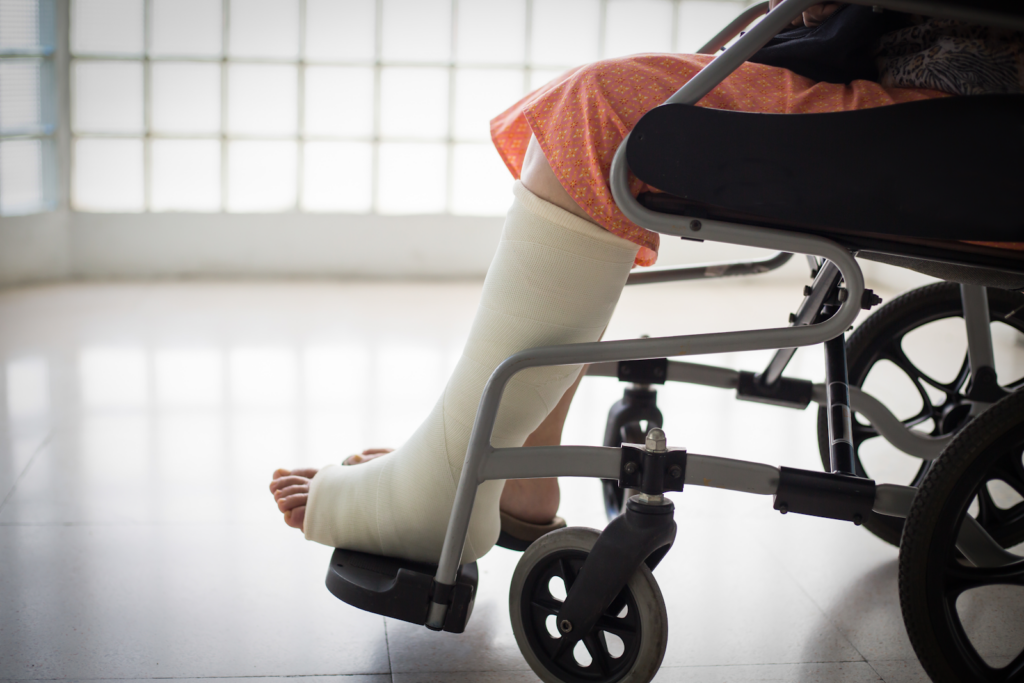
If you are injured in a motorcycle accident in Virginia, it’s critical to take the proper steps to protect your health and legal rights. Acting quickly and methodically can make a significant difference in the outcome of your case. Here’s what you should do:
- Seek Medical Attention Immediately: Even if your injuries seem minor, getting checked by a medical professional is crucial for your health and to document your condition following the accident.
- Report the Accident to Authorities: Contact the police and ensure that an official accident report is filed. This report can play a vital role in any legal or insurance claim.
- Gather Evidence at the Scene: If you are physically able, take photos of the accident scene, your injuries, and any damage to your motorcycle. Collect contact information from any witnesses.
- Do Not Admit Fault: Be careful about discussions regarding the accident, and avoid making statements that could be interpreted as admitting fault.
- Notify Your Insurance Company: Inform your insurance provider about the accident promptly, but be cautious about giving recorded statements before consulting an attorney.
- Consult a Virginia Motorcycle Accident Lawyer: An experienced motorcycle accident attorney can guide you through the process, ensuring your rights are protected and helping you seek appropriate compensation.
Following these steps can help you recover both physically and financially while also positioning you for the best possible legal outcome.
Can I Sue to Recover Damages After a Motorcycle Accident in Virginia?
After being involved in a motorcycle accident in Virginia, you have the right to file a lawsuit to recover damages if another party’s negligence caused the accident. These damages can cover medical expenses, lost wages, property damage, and even non-economic losses like pain and suffering. However, there are key legal considerations that can impact your ability to recover compensation, including the statute of limitations and Virginia’s contributory negligence rule, which are discussed below.
Statute of Limitations
The statute of limitations is the legal deadline by which you must file your lawsuit. In Virginia, the statute of limitations for personal injury cases, including motorcycle accidents, is generally two years from the date of the accident. Missing this deadline will typically bar you from pursuing compensation, so it is crucial to act promptly to protect your legal rights. This time frame ensures evidence remains fresh and allows for timely resolution of claims.
Contributory Negligence Rule
Virginia follows a contributory negligence rule, one of the strictest negligence standards in the country. Under this rule, if you are found to be even slightly at fault for the accident, you may be completely barred from recovering any compensation. This makes it critical to gather strong evidence and build a clear case demonstrating that the other party was entirely at fault. Working with an experienced attorney can help you navigate this challenging legal standard and present the strongest case possible.
Compensation Available in Motorcycle Accident Claim
- Medical Expenses: Compensation may cover the cost of medical treatment related to the accident, including hospital bills, surgeries, physical therapy, prescription medications, and future medical care.
- Lost Wages: If the injuries sustained in the motorcycle accident prevent you from working, you may be entitled to recover compensation for lost income during your recovery period.
- Loss of Earning Capacity: If the accident results in a long-term disability that affects your ability to earn an income in the future, you may be compensated for the reduction in your earning potential.
- Pain and Suffering: This type of compensation accounts for physical pain, discomfort, and emotional distress caused by the accident and its aftermath.
- Property Damage: You can seek compensation for the costs of repairing or replacing your motorcycle or any other personal property damaged in the accident.
- Loss of Enjoyment of Life: If your injuries lead to a diminished quality of life by preventing you from participating in hobbies, activities, or experiences you once enjoyed, you may be eligible for compensation.
- Punitive Damages: In cases where the at-fault party’s actions were particularly reckless or egregious, the court may award punitive damages to punish the wrongdoer and discourage similar behavior.
How Will Chaikin Sherman Cammarata & Siegel Help Me After a Motorcycle Accident in Virginia?
Chaikin Sherman Cammarata & Siegel has decades of experience in representing motorcycle accident victims in Virginia, and our legal team is well-versed in the nuances of Virginia motorcycle laws. We understand the unique challenges faced by motorcyclists and are committed to securing the compensation you deserve after an accident. Our firm leverages its deep expertise to build strong cases and achieve favorable outcomes for our clients.
Here’s how we can help you:
- Thorough Case Investigation: We will carefully investigate your case to gather evidence, including accident reports, witness statements, and expert opinions, to establish fault and liability.
- Knowledge of Virginia Motorcycle Laws: Our attorneys are experts in Virginia’s motorcycle laws and regulations, and will ensure that your rights are protected throughout the legal process.
- Negotiation with Insurance Companies: We have extensive experience dealing with insurance companies and will fight to ensure they don’t undervalue or unfairly deny your claim.
- Comprehensive Damage Assessment: We will work to calculate all damages, including medical expenses, lost wages, pain and suffering, and more, to pursue the full compensation you deserve.
- Courtroom Representation: If a fair settlement cannot be reached, we are fully prepared to aggressively represent you in court to advocate for your best interests.
If you or a loved one have been injured in a Virginia motorcycle accident, don’t wait to get the legal help you need. Contact Chaikin Sherman Cammarata & Siegel today to schedule your free, no-obligation consultation. Together, we can review your case and begin the process of pursuing justice and the compensation you deserve.