What Are the Maryland Motorcycle Laws?
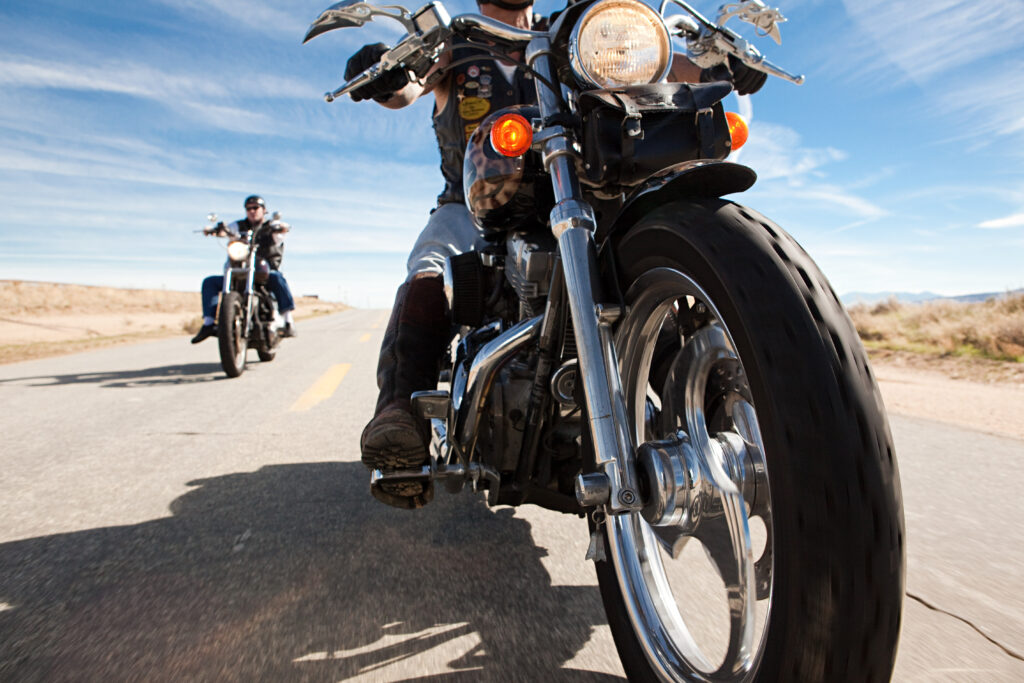
Motorcycles are a beloved mode of transportation in Maryland, offering riders freedom, excitement, and an economical way to travel. The scenic roads and highways across the state make it especially popular for avid motorcyclists. However, the thrill of riding comes with risks, and this makes it crucial for riders to adhere to Maryland’s motorcycle laws and safety guidelines. Strictly following these regulations helps protect riders and others on the road, reducing the number of accidents and injuries.
At Chaikin, Sherman, Cammarata & Siegel, we are dedicated to helping motorcycle accident victims seek fair compensation for their injuries and losses. Our team understands the challenges motorcycle enthusiasts face and has years of experience advocating for the rights of injured riders. If you or a loved one has been in a motorcycle crash, contact us to schedule a free consultation and learn how we can help you pursue justice and financial recovery.
Do I Need a Motorcycle License in Maryland?
Yes, obtaining a motorcycle license in Maryland is a necessary step for anyone who wants to legally operate a motorcycle in the state. The Maryland Motor Vehicle Administration (MVA) has established specific requirements to ensure that motorcyclists are well-prepared and knowledgeable on the road. Below are the key steps to obtain a license to operate a motorcycle in Maryland:
- Minimum Age: Applicants must be at least 16 years and 6 months old to qualify for a motorcycle license or a learner’s permit.
- Obtain a Learner’s Permit: New riders must first acquire a motorcycle learner’s permit by passing a written knowledge test on road rules and motorcycle safety.
- Complete a Maryland Motorcycle Safety Program (Rider Course): Enrolling in and completing an approved motorcycle safety course is mandatory for new riders under 18. This course provides essential skills, techniques, and safety practices for riding.
- Skills Test: After gaining sufficient practice with the learner’s permit, applicants must pass a skills test administered by the MVA, demonstrating their ability to handle a motorcycle safely.
- Vision Screening: A vision test is required to ensure drivers meet the necessary standards for safe operation on the road.
- Pay the Required Fees: Appropriate fees must be paid for both the permit and license application process.
By meeting these requirements, aspiring motorcyclists can obtain their license and enjoy the freedom and excitement of riding while staying compliant with Maryland’s safety laws.
What are the Maryland motorcycle helmet laws?
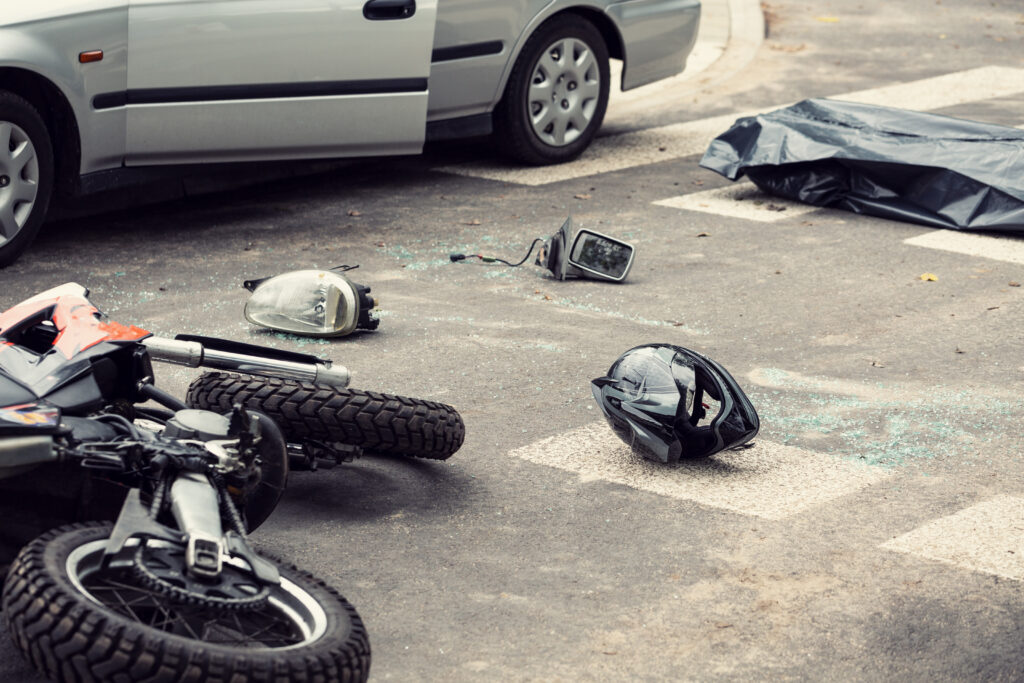
Maryland motorcycle helmet laws are designed to protect riders and enhance road safety. According to state law, all motorcyclists and their passengers are required to wear a helmet that meets the standards set by the U.S. Department of Transportation (DOT). A DOT-approved helmet must have a thick, firm inner liner, a sturdy chin strap, solid rivets, and a label that confirms compliance with safety regulations. These helmets are specifically constructed to reduce the risk of head injuries during accidents.
The state of Maryland also requires motorcyclists to wear eye protection, such as goggles or face shields, unless the motorcycle is equipped with a windscreen. This is to ensure clear visibility and to safeguard motorcycle riders against flying debris, insects, and wind.
Additionally, Maryland’s safety officials recommend that riders and passengers choose helmets that fit snugly and cover the entire head, such as full-face helmets. Full-face helmets offer superior protection not only for the head but also for the face and jaw. Riders are encouraged to inspect their helmets regularly for signs of wear and replace them after five years or immediately following an impact.
By adhering to these motorcycle helmet laws and guidelines, riders can significantly reduce the risk of severe injuries, such as traumatic brain injuries, in the event of an accident. It is also a way to demonstrate responsible riding practices and set an example for others on the road.
What Safety Equipment Is Required on Motorcycles in Maryland?
Motorcycle riders in Maryland must ensure their vehicles are equipped with specific safety equipment to comply with state regulations and promote road safety. Below is a list of essential equipment required:
- Rearview Mirror: Motorcycles must have at least one rearview mirror to provide the rider with a clear view of the road behind them.
- Functional Horn: A working horn is mandatory to allow motorcycle riders to warn other road users when necessary.
- Exhaust System: Motorcycles must have an operational exhaust system to minimize noise levels and prevent excessive emissions.
- Lights: Fully functioning headlamps, tail lamps, brake lights, and turn signals are required to enhance visibility and ensure communication with other drivers.
- Brakes: Adequate braking systems on both the front and rear wheels are necessary for effective stopping and control.
- License Plate Light: A white light must illuminate the motorcycle’s license plate so it can be read from a reasonable distance.
These requirements not only align with Maryland law but also contribute to maintaining a safer riding experience for everyone on the road.
Is Lane Splitting and Shoulder Riding Allowed by Maryland Motorcycle Laws?
Lane splitting and shoulder riding are topics of significant interest among motorcyclists in Maryland. While these maneuvers are common in some areas, it’s crucial to understand Maryland’s motorcycle laws and regulations to ensure safe and lawful riding practices.
Lane Splitting in Maryland
Lane splitting, the practice of riding a motorcycle between lanes of stopped or slow-moving traffic, is prohibited under Maryland law. Motorcyclists are required to occupy a single lane just as other motor vehicles do. This regulation aims to reduce the risk of accidents and maintain order on the roadways. Riders attempting to lane split may face fines or other penalties for violating traffic laws.
Shoulder Riding in Maryland
Shoulder riding, where a motorcycle uses the shoulder of the road to bypass traffic, is also not permitted in Maryland. The shoulder is not considered a travel lane, and motorcyclists using it to maneuver through traffic risk fines and potential liability in the event of an accident. Exceptions may apply in rare emergency situations, but these are narrowly defined and should not be assumed.
Understanding and adhering to these rules helps to promote safety on Maryland’s roads while ensuring that motorcyclists remain compliant with state traffic laws.
Are There Additional Motorcycle Laws About Carrying Passengers?
Carrying passengers on a motorcycle in Maryland comes with specific guidelines designed to ensure the safety of both the rider and the passenger. Motorcyclists must familiarize themselves with these rules to remain compliant with the law and reduce potential risks.
- Passenger Seat Requirement: Motorcycles must be equipped with a designated passenger seat and footrests. The passenger must use these at all times while riding.
- Minimum Age: While Maryland law does not specify a minimum age for passengers, ensuring the passenger can safely reach the footrests and hold on securely is crucial.
- Helmet Use: Both the rider and the passenger are required to wear a DOT-compliant motorcycle helmets at all times while on the bike.
- Passenger Positioning: Passengers must ride behind the operator, seated securely on the passenger seat. Sitting in front of the rider is prohibited.
- Practice and Control: Riders new to carrying passengers should practice beforehand, as the added weight can affect balance, braking, and acceleration.
What Additional Motorcycle Safety Guidelines Does Maryland Recommend Riders Follow?
Motorcycle safety goes beyond merely following the law. By practicing additional safety habits, riders in Maryland can further reduce risks and enhance their overall road experience. Below are some key guidelines to consider for safer motorcycling, even when they are not legally mandated.
Wear Protective Gear Beyond Helmets
While Maryland law requires a DOT-compliant helmet, wearing other protective gear can significantly increase safety. Consider wearing a sturdy jacket, gloves, long pants, and boots to protect against abrasions and impacts in the event of an accident. Opt for materials such as leather or reinforced synthetics designed specifically for motorcyclists.
Conduct Routine Motorcycle Maintenance
Regular maintenance of your motorcycle is essential for safe riding. Check your tires for proper inflation and tread wear, inspect your brakes, lights, and signals, and ensure the chain or belt is in good condition. Keeping your motorcycle in optimal mechanical condition can prevent breakdowns and minimize the risk of accidents.
Stay Visible to Others
Motorcyclists should make an effort to be easily spotted by other road users. Wear bright or reflective clothing and use your headlights at all times, even during the day. Position yourself strategically on the road to avoid blind spots and signal early when changing lanes or turning.
Practice Defensive Riding
Motorcyclists should always anticipate the movements of other drivers and remain prepared to react. Keep a safe following distance, avoid weaving between vehicles, and always assume that other drivers may not see you. Defensive riding helps mitigate risk in unpredictable traffic situations.
Evaluate Weather Conditions
Riding a motorcycle in adverse weather conditions, such as heavy rain or icy roads, can be particularly hazardous. Always check the weather forecast before heading out, and if conditions seem unsafe, consider postponing your ride. If you must ride in poor weather, exercise extra caution, reduce your speed, and increase your following distance.
By adopting these additional safety practices, motorcyclists in Maryland can enjoy a safer and more enjoyable riding experience.
What Should I Do If I Am Injured in a Motorcycle Accident?
If you are injured in a motorcycle crash in Maryland, it is crucial to take immediate steps to protect your health, legal rights, and ability to recover compensation. Following these key actions can help you effectively address the situation:
- Seek Medical Attention Immediately
Your health and well-being should be your top priority. Even if your injuries seem minor, consult a medical professional as some injuries may not show symptoms right away. - Contact Law Enforcement
Call the police and file an accident report. An official report provides critical documentation of the incident, which may be important for insurance claims or legal proceedings. - Gather Evidence at the Scene
If you are able, take photos of the accident scene, your motorcycle, and any visible injuries. Collect details such as contact information from witnesses and relevant vehicle information from other drivers involved. - Notify Your Insurance Company
Report the accident to your insurance provider as soon as possible. Provide accurate details and avoid admitting fault while making your statement. - Consult an Experienced Motorcycle Accident Attorney
Speak with a knowledgeable attorney who can guide you through the legal process. They can help you pursue fair compensation for medical bills, lost income, and other damages related to the accident.
These steps can help safeguard your rights and ensure you receive the support and recovery you deserve.
How Will Chaikin Sherman Cammarata & Siegel Help Me?
At Chaikin Sherman Cammarata & Siegel, we understand the unique challenges motorcycle accident victims face. Our experienced team of motorcycle accident lawyers is dedicated to fighting for your rights and ensuring you receive the justice and compensation you deserve. From investigating the accident and gathering evidence to negotiating with insurance companies and, if necessary, representing you in court, we provide comprehensive legal support every step of the way. Our attorneys have an extensive track record of success and are committed to holding negligent parties accountable for their actions.
If you or a loved one has been involved in a motorcycle accident, don’t face the aftermath alone. Contact us today to schedule a free consultation. Together, we’ll evaluate your case, answer any questions, and craft a personalized strategy to secure the compensation you need to recover and move forward with your life. Call us or visit our website to get started now!